
Enterprise AI security, privacy and compliance
Freeday helps organizations deploy and manage digital employees in environments where security, privacy and accountability matter. Our enterprise AI agent platform is designed to give buyers, security teams and compliance leaders clear answers before deployment, with supporting evidence available through our Trust Center.
Certified security for sensitive enterprise workflows
Freeday operates an independently audited information security management system. Our current certifications provide a structured foundation for managing information security and protecting sensitive workflows.
Certificates, audit information and supporting documentation are available through the Trust Center. Access to sensitive documents may require approval or an NDA.
Visit our Trust Center →Clear answers about how customer data is handled
A security review should begin with a clear understanding of what data is processed, where it moves, who can access it and how long it is retained. Freeday documents these controls for each relevant product and deployment context. Our privacy policy explains the broader legal basis and privacy rights that apply.
Data processing and hosting
Freeday documents the systems and service providers involved in processing customer data, including applicable hosting regions and subprocessors. Product-specific information is available through the Trust Center and contractual documentation.
Retention and deletion
Retention is defined for the relevant workflow and customer agreement. We disclose applicable retention periods and deletion processes so customers can assess them against their legal, security and operational requirements.
Access control
Access to production systems and sensitive information is restricted according to role and business need. Freeday uses role-based access controls and multi-factor authentication as part of its security programme.
Encryption
Freeday protects data in transit and at rest using established encryption standards. Technical details and product-specific boundaries are available to qualified reviewers through the Trust Center.
Secure by design, resilient in operation
Freeday designs deployments around clear trust boundaries, least-privilege access and controlled integrations.
Trust boundaries and data flows
Enterprise reviewers can request a data-flow architecture showing how information moves between customer systems, Freeday components and relevant service providers.
Availability, backups and recovery
Resilience measures include monitoring, incident response procedures, backups and recovery controls appropriate to the service. Current availability commitments, recovery objectives and supporting evidence are documented through customer agreements and the Trust Center.
Documented incident detection and response
Freeday maintains documented procedures to detect, investigate, contain and remediate security incidents. Customers receive incident communication in line with contractual and legal obligations. Relevant incident-response documentation is available to qualified reviewers.




Security and accountability for enterprise AI
Enterprise AI requires more than infrastructure security. Buyers also need to understand which models are used, how model providers interact with data, what safeguards constrain AI behaviour and how material changes are governed. Freeday provides or is preparing the following assurance materials through its Trust Center:
AI model registry
An AI model registry with providers and applicable hosting information

System card
A system card describing intended use, limitations, testing and safeguards

Model-provider data use
An explanation of whether and how customer data may be used by model providers

Model-change policy
A model-change policy for material provider or model updates

Human oversight, escalation and auditability
Documentation of human oversight, escalation and auditability
These controls apply across workflows such as KYC automation and other regulated operations, with deployment-specific details documented for each customer.
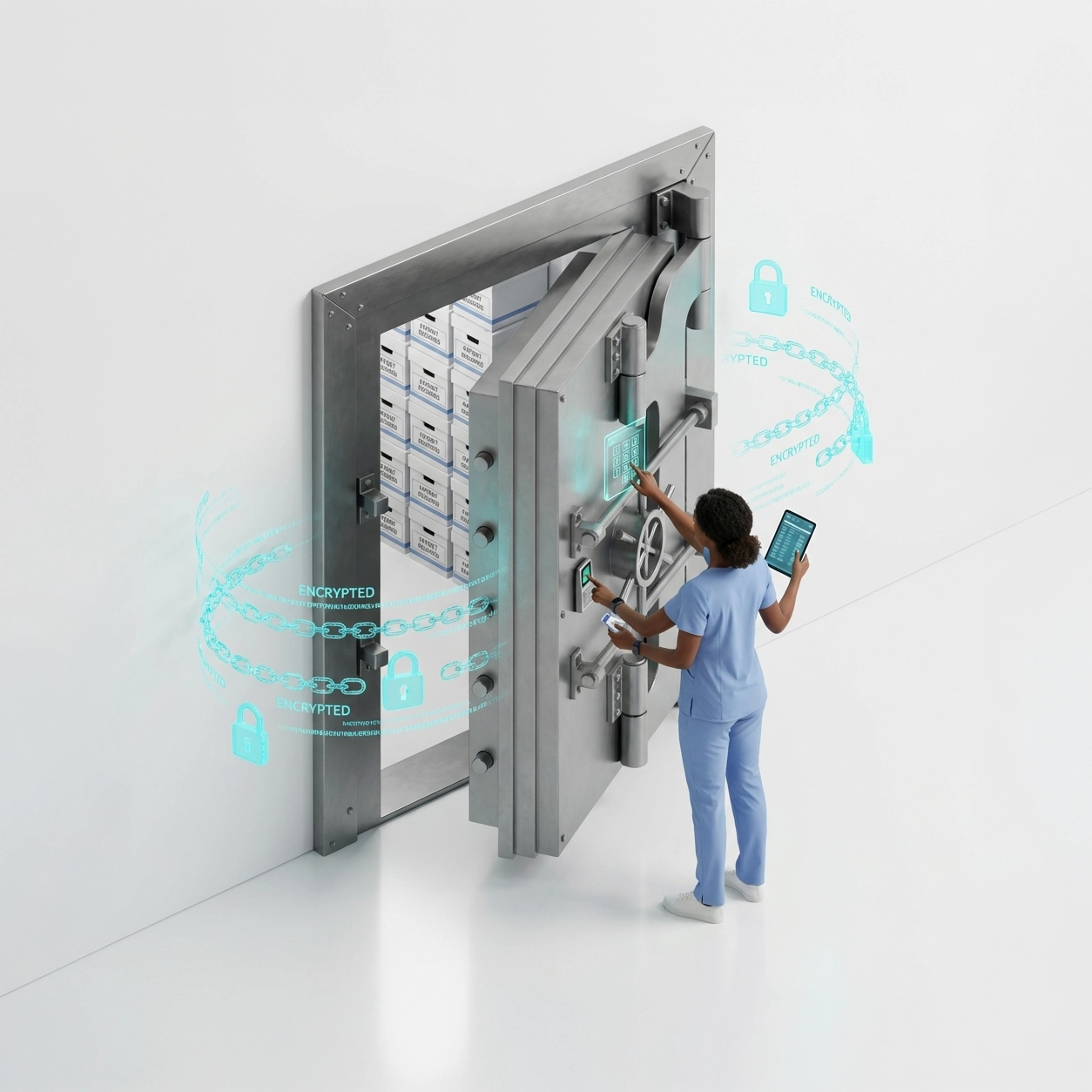
Security reviews tailored to your deployment
Security requirements differ by sector and workflow. Freeday supports enterprise reviews for financial services, healthcare, government services and other regulated environments. Buyers can review the controls that apply to their specific deployment instead of relying on generic claims.
Proof should be connected to practice. Explore our customer case studies to see how digital employees operate in real enterprise workflows, or review how Freeday supports KYC automation in financial services.
Trusted by the world's most security-conscious industries




Review Freeday’s security controls
Start with the public overview in our Trust Center. Request access when you need certification details, architecture documentation, policies, assessment results or other restricted evidence.
Questions from enterprise security teams
Enterprise security and compliance answers for procurement teams.
Freeday is certified to ISO/IEC 27001:2022 and NEN 7510-1:2024. Certification details and supporting evidence are available through the Trust Center.
Freeday does not currently claim SOC 2 certification. If SOC 2 is part of your procurement requirements, contact our security team for the current assurance roadmap and available alternatives.
The answer depends on the product, deployment and providers involved. Freeday makes the relevant hosting regions, subprocessors and data flows available through the Trust Center and contractual documentation.
The answer must be stated for each model provider and deployment configuration. Freeday documents applicable provider terms, data-use settings and safeguards in its model registry and customer documentation.
Retention depends on the workflow and customer agreement. Freeday discloses the applicable period and deletion process so customers can assess legal and operational fit.
Yes. Public evidence is available in the Trust Center. Sensitive material can be requested and may require approval or an NDA.
Want more details?
Our team answers technical questions directly